Supply and Demand (SMC) Strategy for Futures Trading

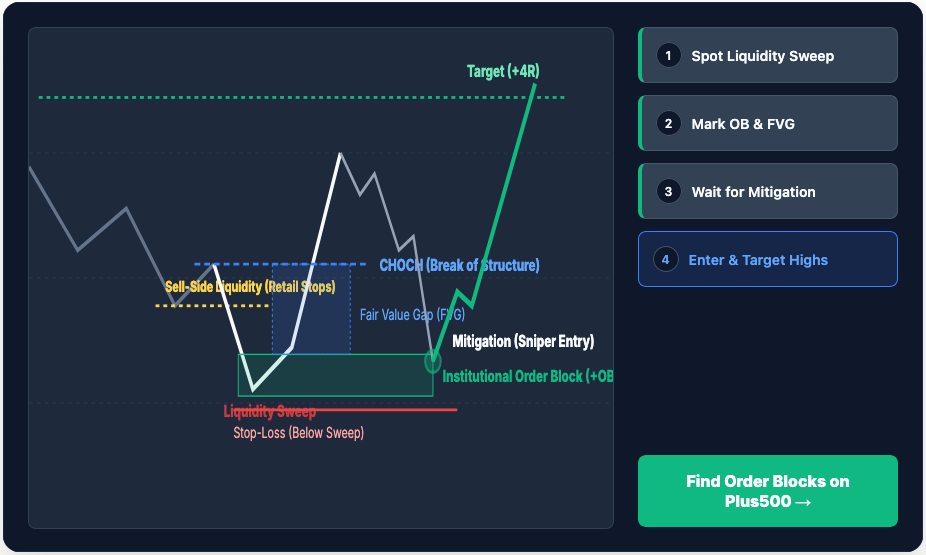
Traditional technical analysis teaches retail traders to buy at support and sell at resistance. However, Smart Money (central banks, hedge funds, and institutional algorithms) need immense liquidity to enter their billion-dollar positions without causing slippage. To find this liquidity, they intentionally push price through retail support/resistance to trigger stop-losses. This is known as a Liquidity Sweep. Supply and Demand (SMC) trading is the art of waiting for retail traders to be stopped out, identifying the aggressive institutional reversal that follows, and entering on the pullback when banks mitigate their leftover orders.
Volume Profile & Point of Control Strategy for Futures Trading

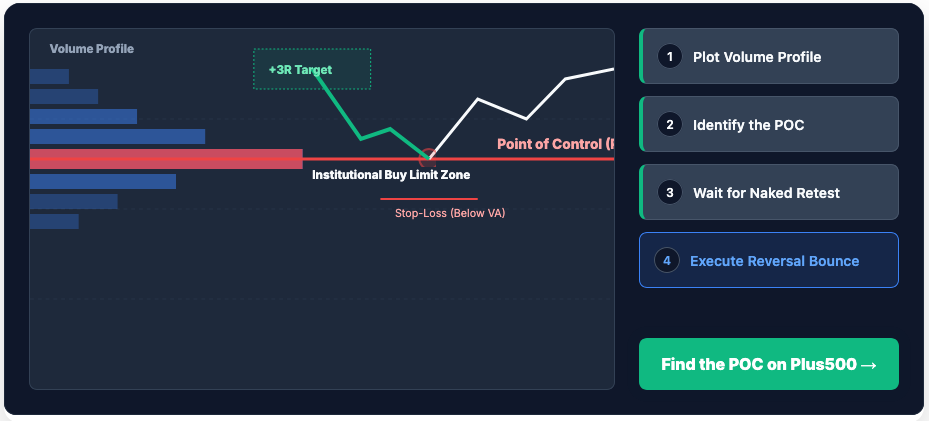
Traditional volume bars at the bottom of your chart show you when trading activity happened. Volume Profile turns this sideways, showing you exactly at what price the heaviest trading occurred. In the futures market, institutions build massive positions over time. The specific price level where the most volume changed hands during a session is called the Point of Control (POC). The surrounding price range that contains 70% of the day’s total volume is known as the Value Area. When the price leaves the Value Area and later returns to “retest” an untested (naked) POC, institutional algorithms aggressively step in to defend their original positions. This creates one of the highest-probability bounce setups in day trading.

Opening Range Breakout (ORB) Strategy for Futures Trading

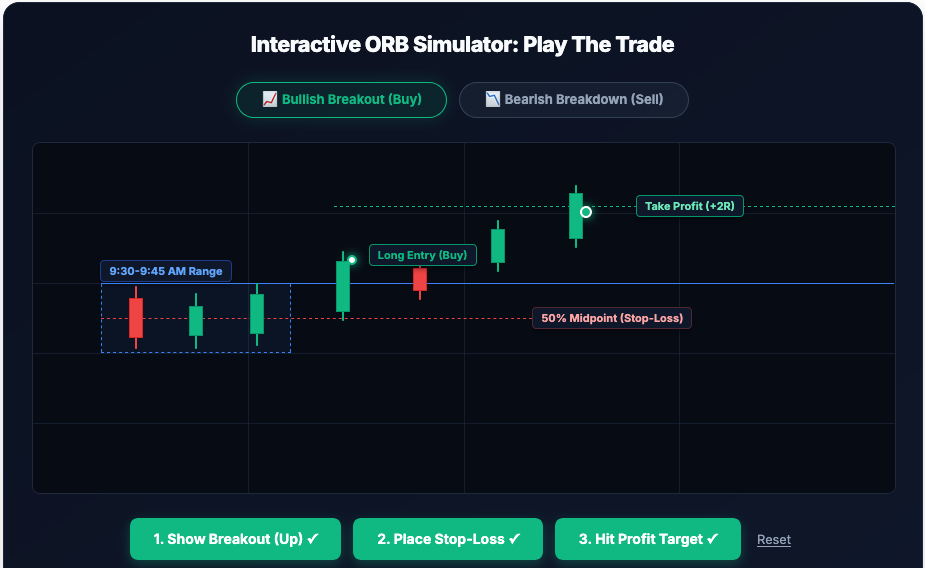
The Opening Range Breakout (ORB) isn’t just another indicator-based strategy; it’s a daily institutional event. Originally popularized by legendary commodities trader Toby Crabel, it focuses strictly on the first 15 minutes of regular trading hours—the exact moment when overnight institutional orders, breaking news, and retail flow violently collide. For U.S. equity index futures—like the highly popular Micro E-Mini S&P 500 (MES) and Nasdaq-100 (MNQ)—the New York Stock Exchange cash open at 9:30 AM EST injects massive liquidity into the market. During this initial 15-minute window (9:30 AM to 9:45 AM EST), bulls and bears battle to establish the day’s first equilibrium zone, leaving behind an Opening Range High and an Opening Range Low.