Opening Range Breakout (ORB) Strategy for Futures Trading

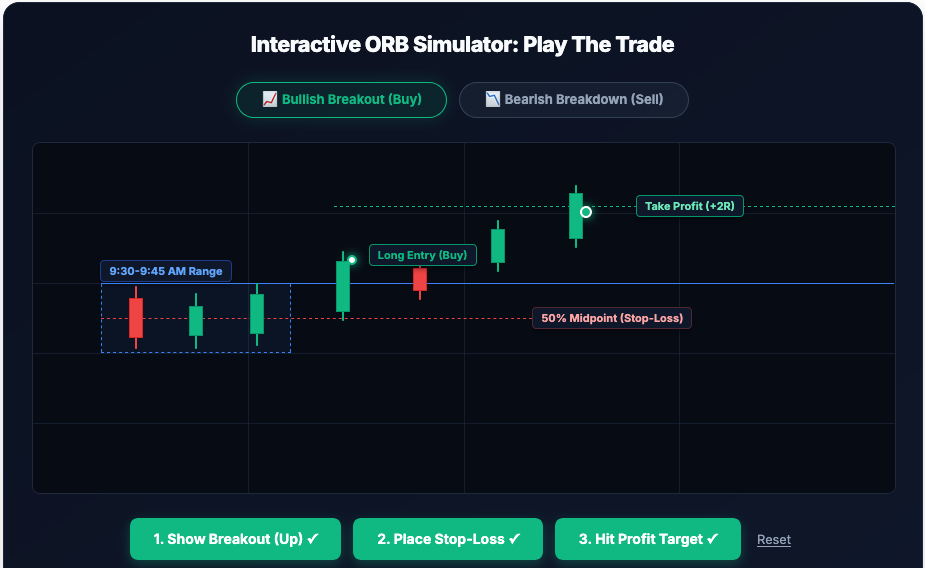
The Opening Range Breakout (ORB) isn’t just another indicator-based strategy; it’s a daily institutional event. Originally popularized by legendary commodities trader Toby Crabel, it focuses strictly on the first 15 minutes of regular trading hours—the exact moment when overnight institutional orders, breaking news, and retail flow violently collide. For U.S. equity index futures—like the highly popular Micro E-Mini S&P 500 (MES) and Nasdaq-100 (MNQ)—the New York Stock Exchange cash open at 9:30 AM EST injects massive liquidity into the market. During this initial 15-minute window (9:30 AM to 9:45 AM EST), bulls and bears battle to establish the day’s first equilibrium zone, leaving behind an Opening Range High and an Opening Range Low.
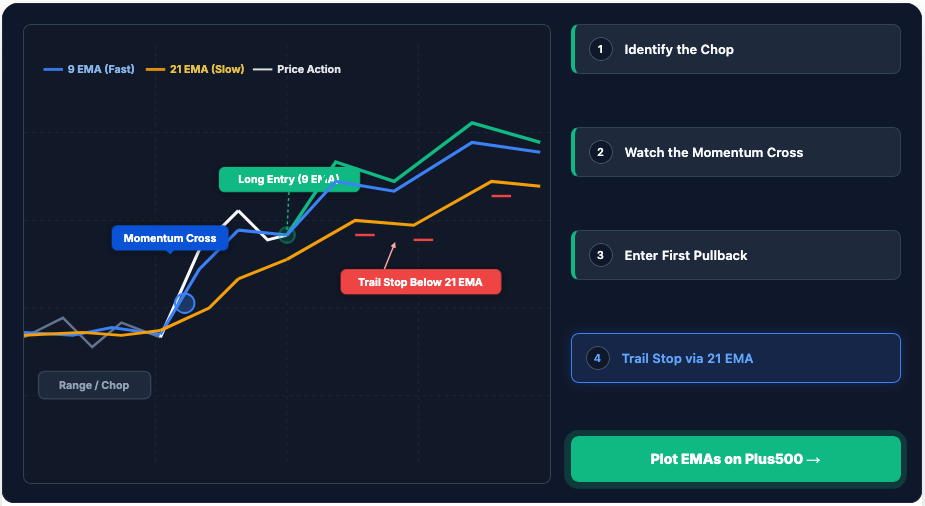
EMA Momentum Crossover Strategy for Futures Trading

Unlike a Simple Moving Average (SMA) which treats all historical data equally, an Exponential Moving Average (EMA) places greater weight on the most recent price action. This makes it highly reactive to sudden injections of institutional volume. The 9 EMA represents the aggressive, fast-paced momentum of the market. The 21 EMA represents the short-term baseline trend. When the 9 crosses the 21, it visually confirms that short-term buyers have overpowered baseline sellers (or vice versa). Algorithms on Wall Street use these precise mathematical moving averages to trigger high-frequency trend-following orders.

Forex Options Analysis EURUSD, BTCUSD, NQ100 22 September 2026

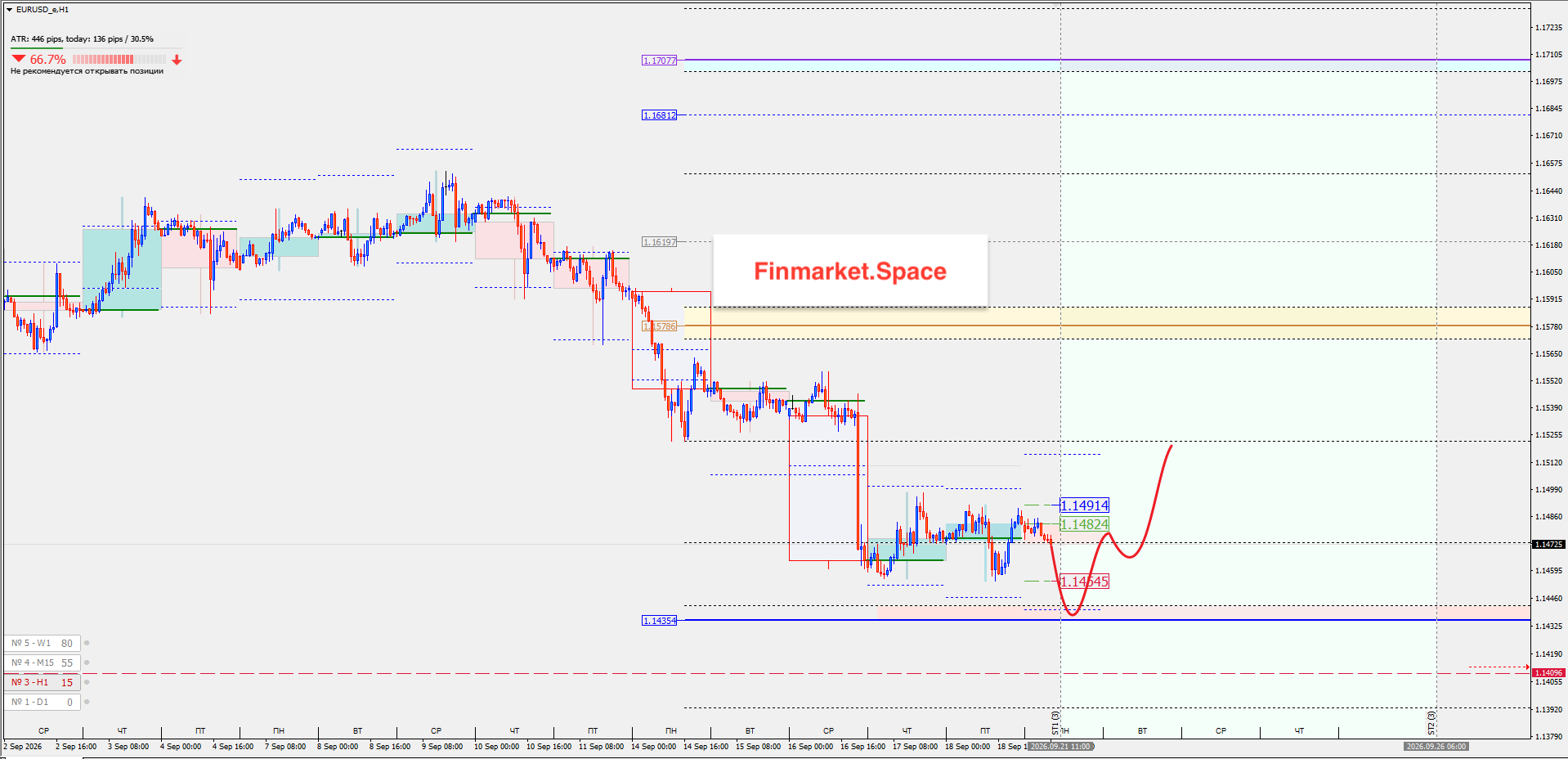
EURUSD: BUY 1.1464, SL 1.1432, TP 1.1520

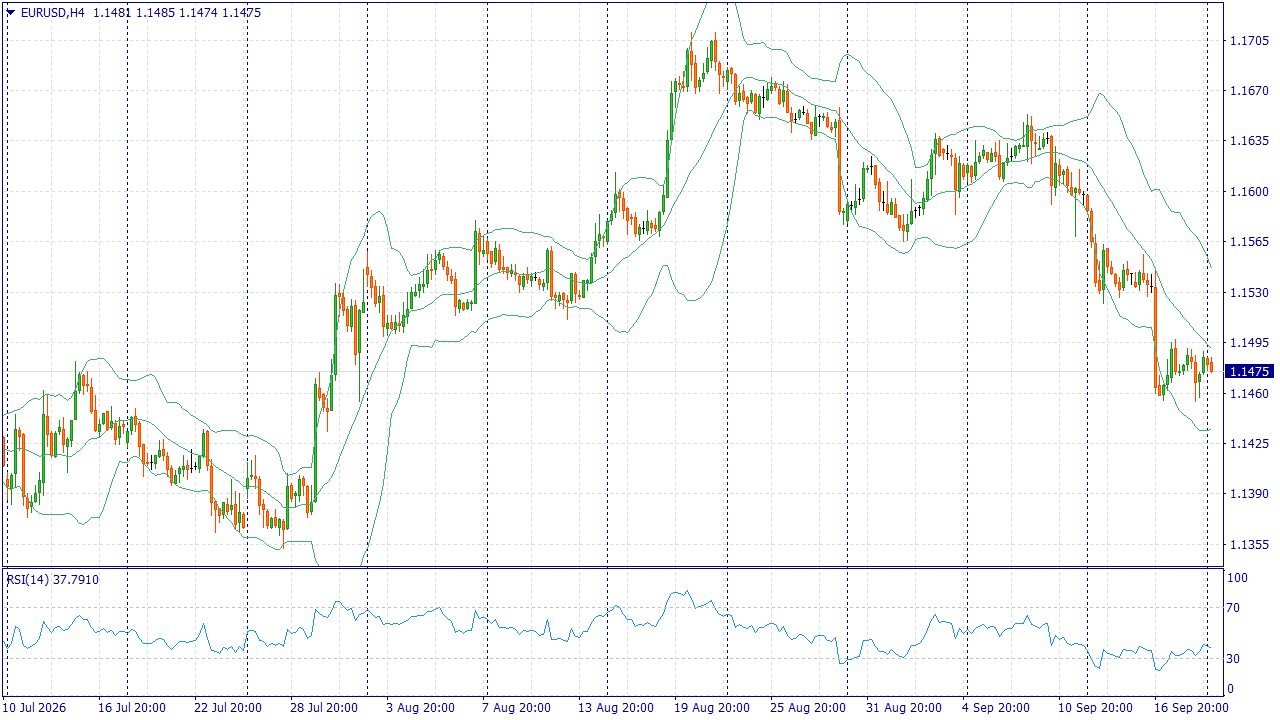
Price is trading in a comfort zone, below the daily balance level of 1.1464. Price is accumulating liquidity near the intermediate target for another upward impulse. A strong medium-term support level at 1.1409 remains unused. The main task for active growth is to consolidate above 1.1480. There is a chance of growth from current levels toward the strong resistance area at 1.1520.


Forex Fundamental Analysis EURUSD, GBPUSD, USDJPY 22 September 2026

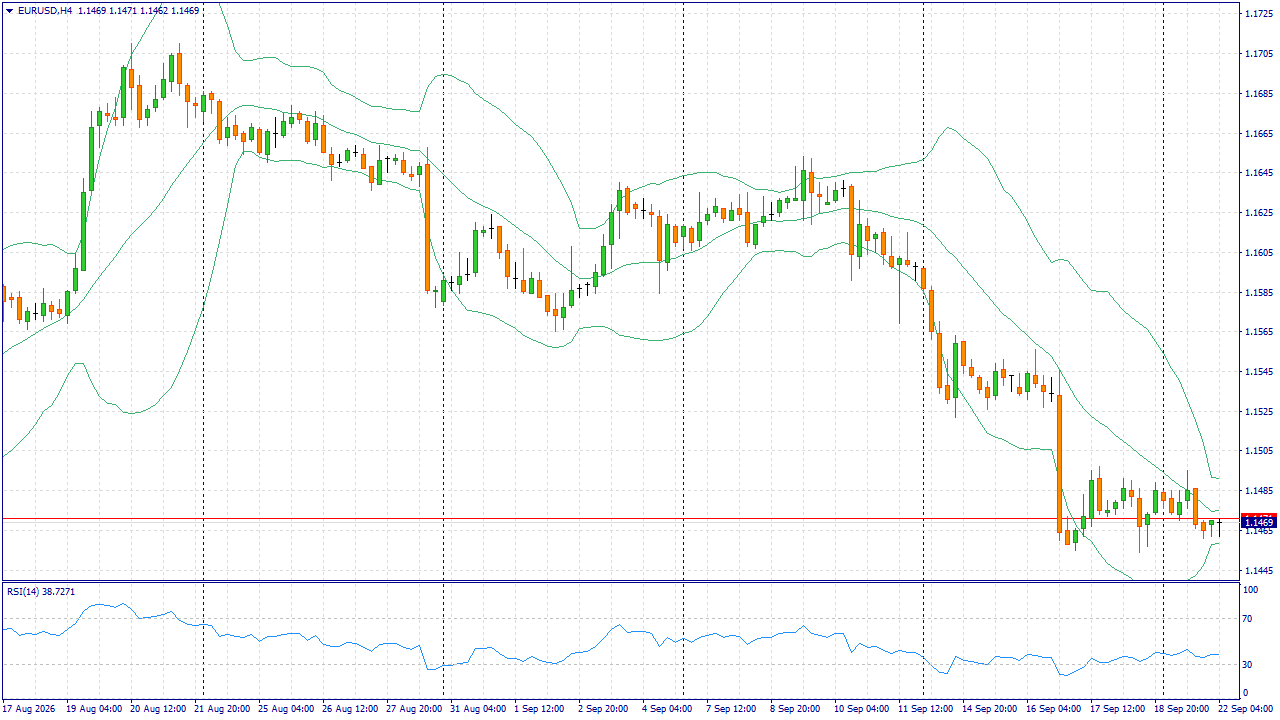
EURUSD: SELL 1.1470, SL 1.1500, TP 1.1395

The US dollar maintains its advantage after the Fed’s September rate hike. Market participants are already pricing in the likelihood of another regulatory step in October, as inflationary pressure remains elevated. Expectations of further policy tightening keep the dollar index near a seven-week high and limit the recovery of EUR/USD.


Forex Options Analysis EURUSD, BTCUSD, NQ100 21 September 2026

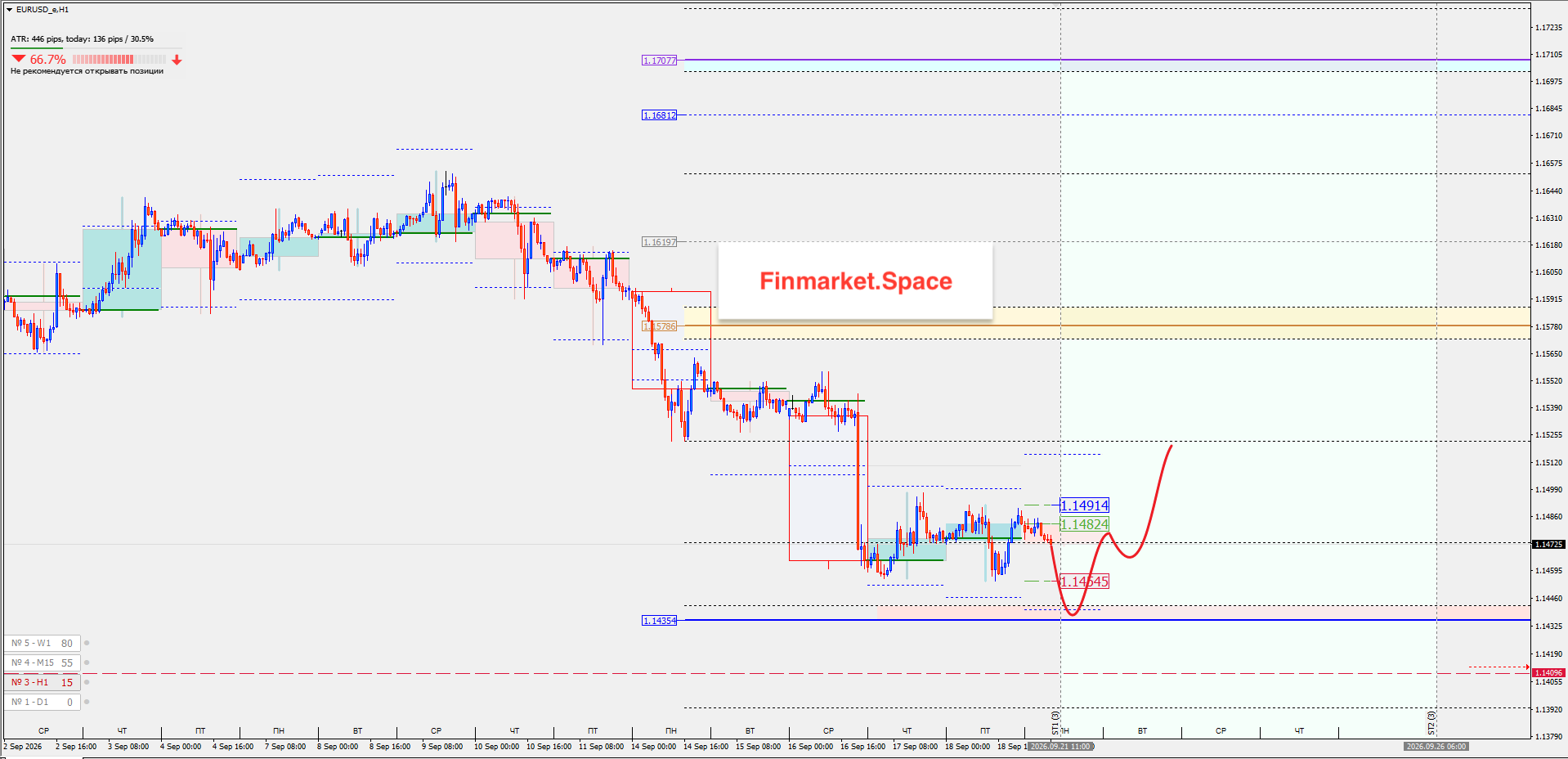
EURUSD: BUY 1.1454, SL 1.1432, TP 1.1520

Price is trading in the comfort zone, below the daily balance level of 1.1482. The intermediate target of the downward impulse towards the 1.1435 area has not been realized and is aiming there. A strong medium-term support level is located around 1.1409. The moment to start the model action is today.


Forex Analysis of Margin Levels EURUSD, NQ100, XAUUSD 21 September 2026

EURUSD: SELL 1.14964–1.15384, TP1-1.14544, TP2-1.13009.

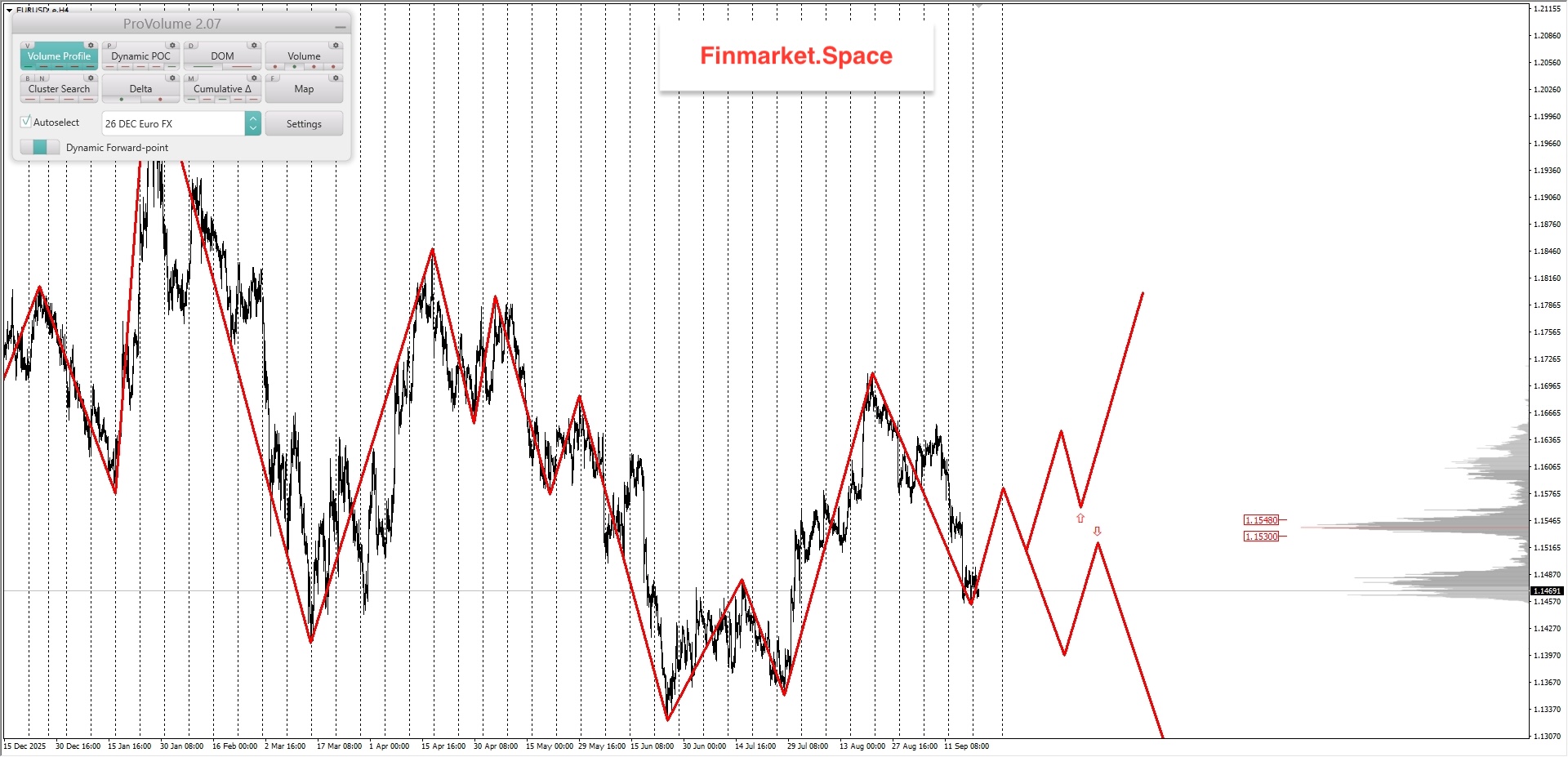
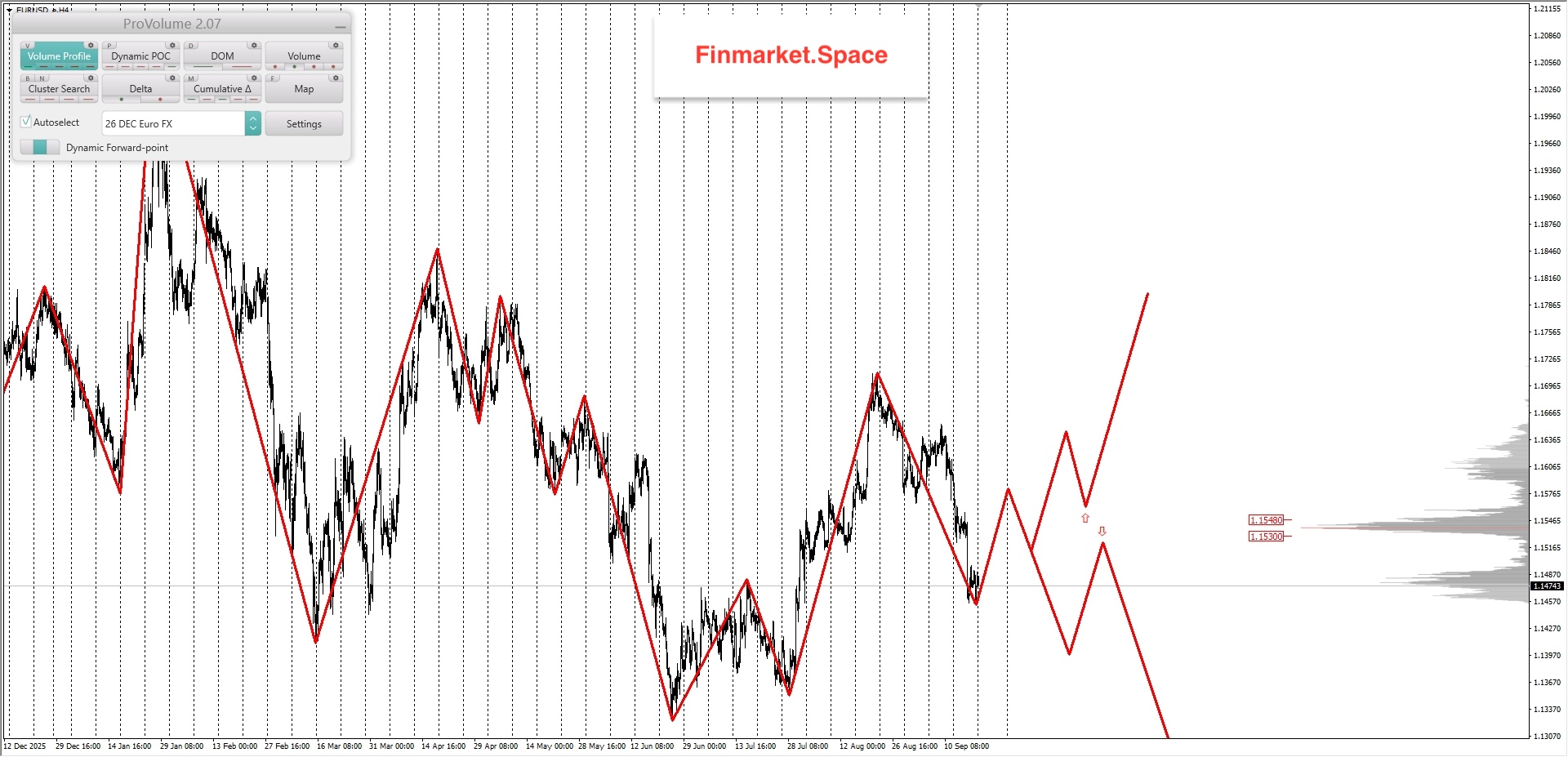
Long-term trend: long. The maximum accumulation of volumes for the current contract is located in the range with quotes 1.15300–1.15480. Currently, investment operations on the pair are being carried out below the specified range, which indicates weakness among buyers.


Forex Wave Analysis EURUSD, BTCUSD, NASDAQ 100 21 September 2026

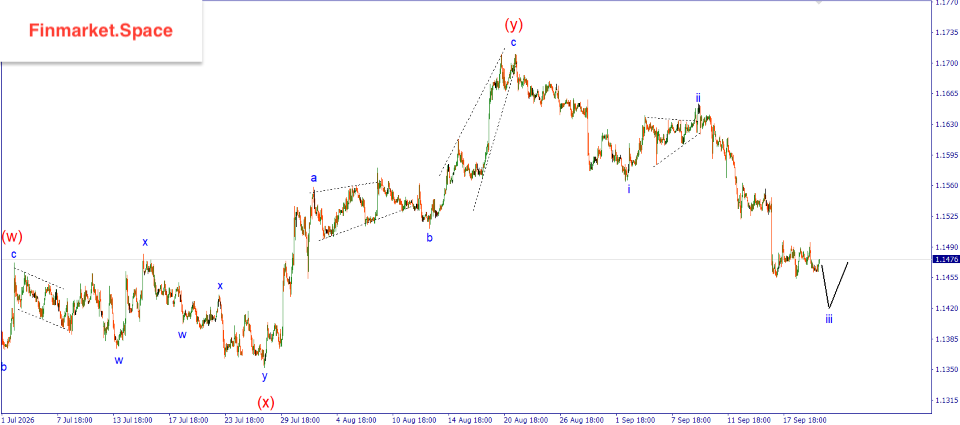
EURUSD: SELL 1.1455, SL 1.1470, TP 1.1420.

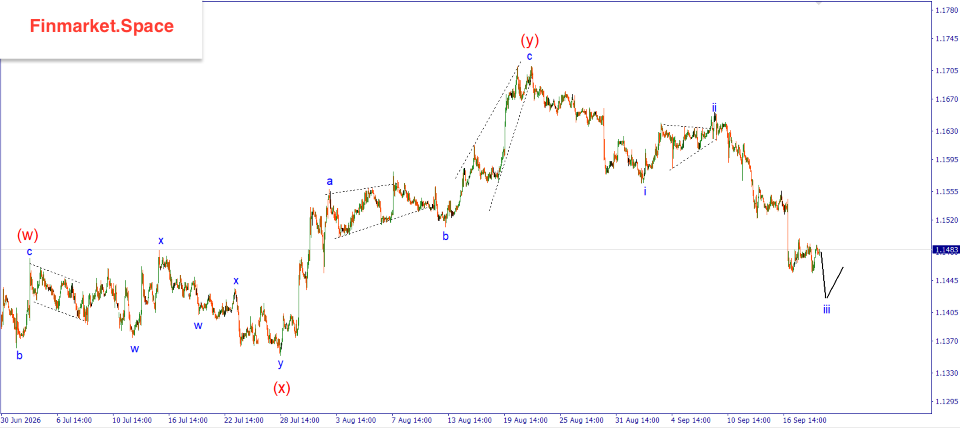
The situation with the considered trading pair continues to develop according to the previously analyzed scenario. Under strong pressure, the euro sharply gave up its positions but is now trying to correct everything. It manages only to contain the dollar’s attack, but this is likely a temporary measure. In the near future, there is a high probability of further decline.


Forex Fundamental Analysis EURUSD, GBPUSD, USDJPY 21 September 2026

EURUSD: SELL 1.1485, SL 1.1515, TP 1.1410

The euro begins the session without clear support after the ECB previously raised rates by 25 basis points. The decision itself has already been largely priced in, and the regulator’s recent comments indicate caution regarding further tightening, primarily due to high energy costs. For EUR/USD, this reduces the strength of the local factor in favor of the single currency.