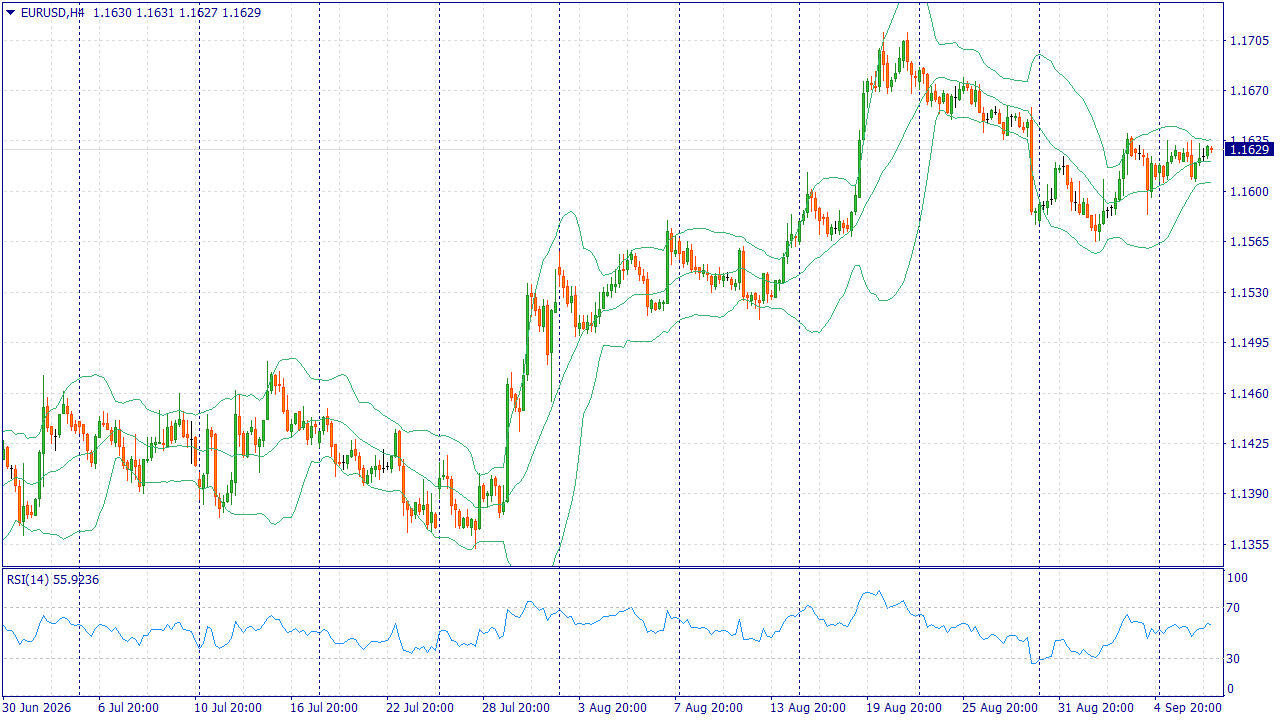
The euro maintains support ahead of the ECB meeting scheduled for Thursday. The market has almost fully priced in a 25 basis point rate hike, as rising energy prices are intensifying inflation risks in the eurozone. This keeps the divergence in expectations between the ECB and the Fed in favor of the single currency and limits interest in selling it.
Meanwhile, the US dollar remains under pressure: its index fell to a nearly two-week low despite strong employment data. Investors are awaiting Friday’s consumer inflation statistics, and the probability of a Fed rate hike next week is now close to the probability of maintaining the current level. Until these data are released, the American currency does not gain a sustainable advantage.
As a result, the main factor for EURUSD becomes the combination of expectations for ECB policy tightening and the absence of new momentum in favor of the dollar. Risks to the scenario are created by possible strengthening of inflation expectations in the US due to expensive oil, but on the current session, the market retains the advantage for the euro. With this background maintained, the base scenario allows for further moderate strengthening of the pair.
Trading idea: BUY 1.1630, SL 1.1600, TP 1.1705
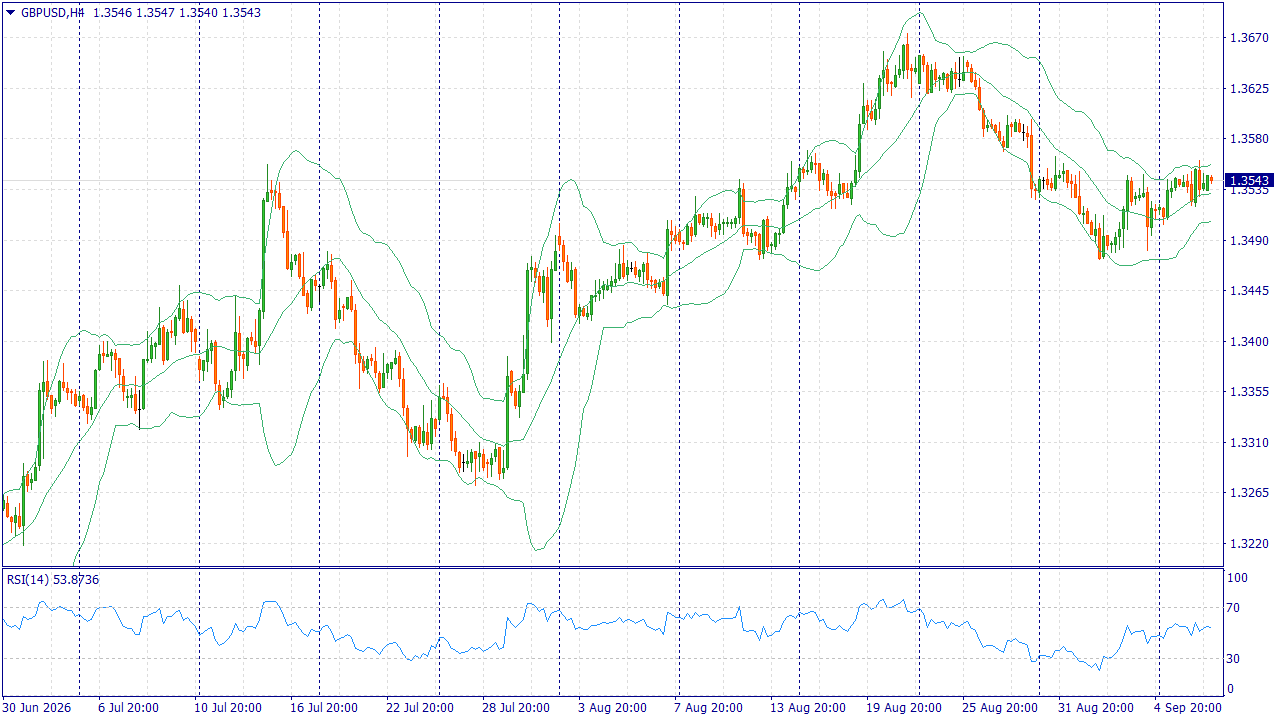
GBPUSD: BUY 1.3545, SL 1.3510, TP 1.3615
The pound starts the session in a mixed internal context after statements from Bank of England representatives. Andrew Bailey emphasized that a new rate hike is not predetermined, while Dave Ramsden described internal inflationary pressures as relatively moderate. These signals are capping the pound, although expensive oil raises the risk of renewed inflation acceleration and limits room for policy easing.
Dollar weakness remains a more significant short-term factor. Its index fell to a nearly two-week low, and the market is awaiting Friday’s US inflation data, which could alter the assessment of the Fed’s September decision. With no clear bias toward a rate hike over a pause scenario, the dollar struggles to form a sustainable recovery against major currencies.
For GBPUSD, the local backdrop is less favorable than for the euro, making growth potential appear more limited. However, cautious signals from the Bank of England have not yet outweighed the broader dollar momentum, and rising energy prices reduce the likelihood of the British regulator quickly shifting to a more dovish policy. Under current conditions, moderate GBPUSD strengthening remains the priority.
Trading idea: BUY 1.3545, SL 1.3510, TP 1.3615
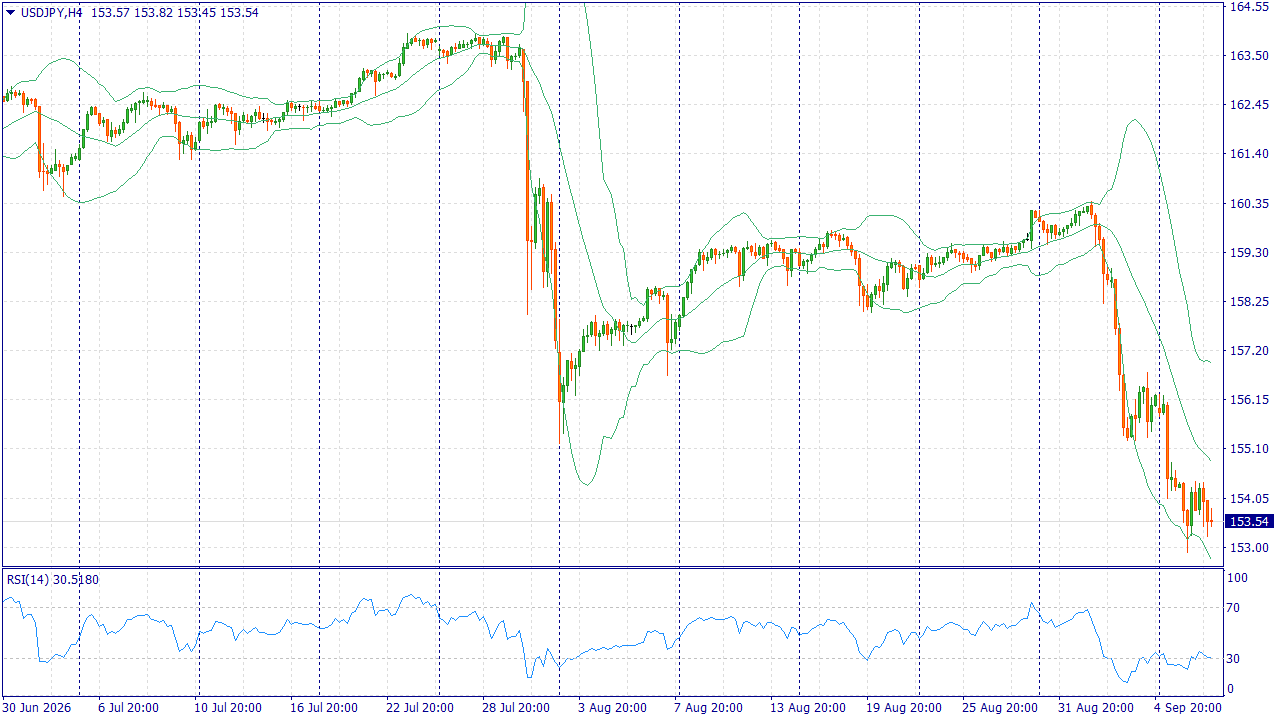
USDJPY: SELL 153.65, SL 154.15, TP 152.65
The yen retains strong fundamental support following an improvement in Japanese statistics. Revised GDP showed more resilient growth, and real wages increased by 2.4% year-on-year in July. These figures have strengthened expectations for further rate hikes by the Bank of Japan, with the market almost fully pricing in a 25-basis-point move at next week’s meeting.
At the same time, the US dollar is not receiving sufficient support from Federal Reserve expectations. The dollar index fell to its lowest level in nearly two weeks, and market participants are divided between raising rates and keeping them at current levels. Friday’s US inflation data could shift this balance, but until its release, the divergence in expectations between the two central banks remains in favor of the yen.
However, a significant portion of the Japanese currency’s strengthening has already been realized: over the last five sessions, the yen gained about 4%. This calls for a more cautious target and does not justify expectations of similarly strong continuation. Nevertheless, expectations of a Bank of Japan rate hike, possible capital repatriation, and persistent dollar weakness support the scenario of further moderate USDJPY decline.