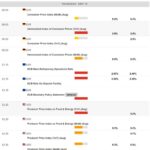
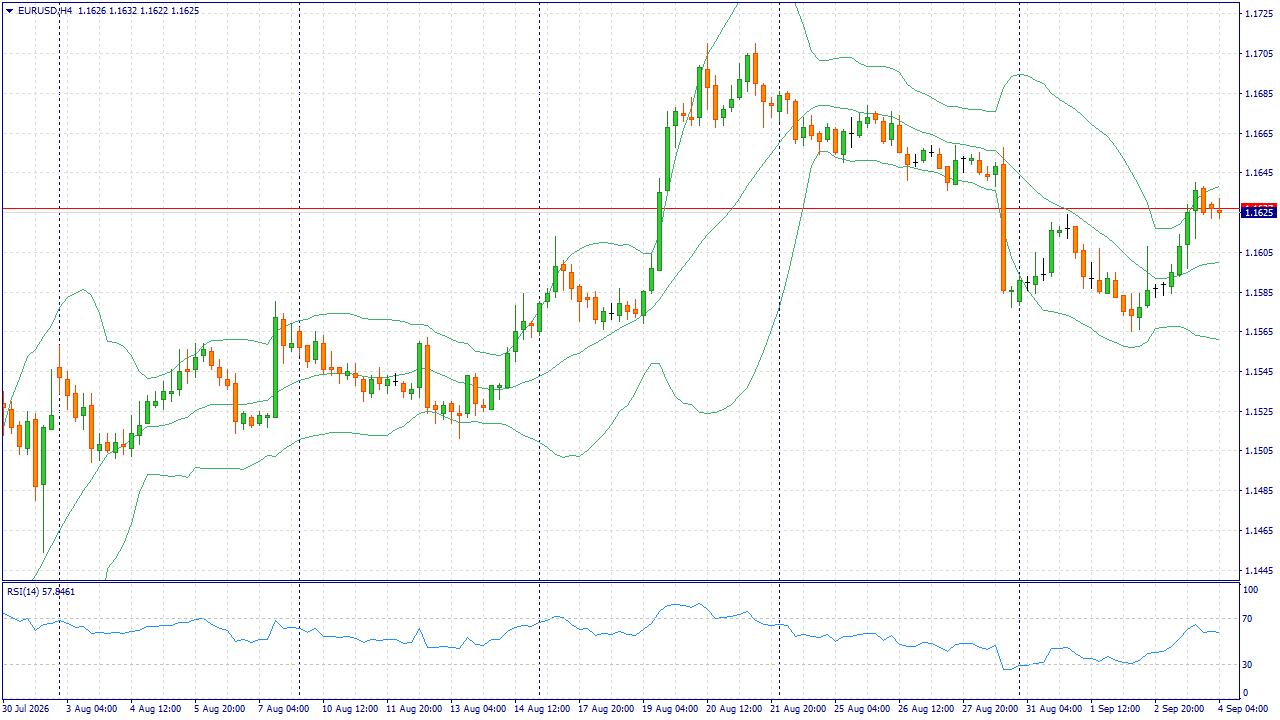
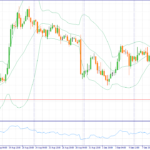
The euro enters the Friday session after the ECB raised its rate by 25 basis points to 2.50%. Christine Lagarde pointed to more resilient inflationary pressure, and the market continues to price in the possibility of further policy tightening. However, the decision itself was already largely factored into prices, so support for the euro proved limited.
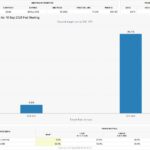
The US dollar, on the other hand, is holding near weekly highs. A 0.4% rise in US producer prices in August, a spike in oil quotes, and yields on ten-year Treasury bonds around 5% have strengthened expectations of an Fed rate hike next week. Attention now shifts to consumer inflation, which could further alter the probability of such a decision.
As a result, the advantage in the current session remains with the dollar. The ECB’s rate hike is curbing downward pressure on the euro, but it has not yet formed an independent momentum capable of offsetting rising US yields and expectations of tighter Fed policy. If US inflation does not give the market reason to sharply lower rate hike expectations, the base scenario allows for further EURUSD decline.
Trading idea: SELL 1.1615, SL 1.1650, TP 1.1540
GBPUSD: SELL 1.3510, SL 1.3550, TP 1.3420
The pound starts the day with weaker domestic support. The market is awaiting July UK economic data, while expectations for the Bank of England remain cautious: a rate hike at the next meeting is not considered the base case. This limits the pound’s ability to gain sustained support from interest rate expectations.
At the same time, oil prices rising above $100 strengthen inflation risks for the UK, but simultaneously increase the burden on consumers and businesses. For the Bank of England, this combination complicates the choice of future policy. Meanwhile, recent comments by Andrew Bailey maintain doubts about whether the regulator is ready to quickly move to a new cycle of rate hikes.
On the external front, the US dollar gains advantage: US bond yields have approached 5%, and the probability of a Fed rate hike next week has noticeably increased. Before the release of US inflation data, uncertainty remains high, but the pound currently lacks a fresh local factor that would clearly outweigh the dollar momentum. With current expectations maintained, the priority remains a decline in GBPUSD.
Trading idea: SELL 1.3510, SL 1.3550, TP 1.3420
USDJPY: BUY 154.60, SL 154.10, TP 155.65
The yen is receiving fundamental support from fresh data on Japan. Wholesale inflation in August rose by 7.6% year-on-year and exceeded market expectations, strengthening the case for the Bank of Japan to raise rates at its meeting next week. The limit on USDJPY growth remains authorities’ attention to the currency market and their willingness to support its orderly functioning.
However, in the current session, the American side of the pair remains the stronger factor. Yields on US ten-year bonds have approached 5%, and the market estimates the probability of a Fed rate hike next week at approximately 70%. At the same time, demand for the dollar is supported by deteriorating risk sentiment against the backdrop of expensive oil and tensions in the Middle East.
The yen rally in early September has already significantly narrowed the gap in policy assessments between the two central banks, while the last few hours have seen a recovery in the dollar. Expectations of a rate hike by the Bank of Japan and the risk of authorities’ actions limit the potential of USDJPY, so the scenario requires caution. However, ahead of the release of US inflation data, the combination of high US yields and current dollar demand maintains the advantage for moderate pair growth.